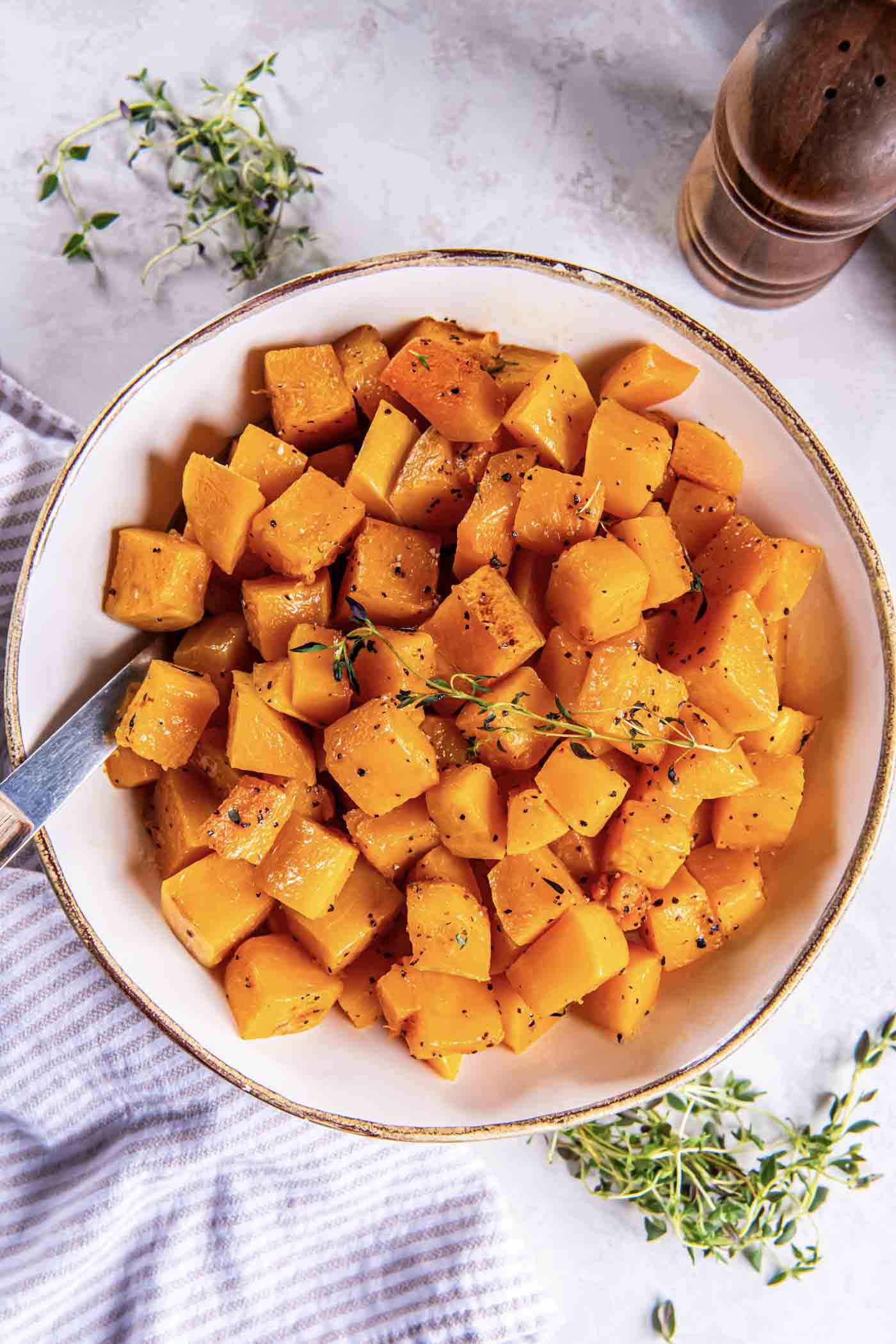
Chef's Secrets: Perfectly Roasted Butternut Squash Every Time
Butternut squash. The mere mention conjures images of cozy autumn evenings, vibrant culinary creations, and a healthy dose of deliciousness. This versatile gourd, with its naturally sweet and subtly savory flavor, is a staple for a reason. Yet, for many home cooks, the journey from whole squash to tender, caramelized cubes can feel less like a joy and more like a wrestling match. Its hard skin, awkward shape, and dense flesh often deter even seasoned chefs. But what if we told you there’s a *kitchen hack cut roast butternut squash* method that guarantees perfection every single time, transforming this intimidating vegetable into an absolute breeze?
Today, we're pulling back the curtain on the chef's secrets to demystifying butternut squash. Forget struggling with slippery peels and stubborn cuts. We'll guide you through a foolproof process, from selecting the ideal squash to mastering the roast, ensuring you achieve that coveted caramelized exterior and melt-in-your-mouth interior. Get ready to elevate your side dishes, salads, and soups with beautifully roasted butternut squash, prepared with newfound ease and confidence.
The Secret to Selecting the Perfect Butternut Squash
The foundation of any great dish begins with quality ingredients. For butternut squash, this means knowing how to pick the prime specimen. While even a less-than-perfect squash is still usually quite good, opting for the best will yield superior flavor, texture, and sweetness. Avoid the pitfalls of under-ripe or over-ripe gourds by following these simple, yet crucial, selection tips:
- Skin Deep: Look for squash with a deep, even orangey-beige color. The skin should be smooth and have a matte finish, not glossy. Avoid any squash with bruises, cuts, soft spots, or blemishes, as these can indicate spoilage or reduce its shelf life. A uniform color suggests consistent ripeness.
- Weight for Size: Pick up a few squashes and choose one that feels surprisingly heavy for its size. This is a tell-tale sign of a well-hydrated, dense, and flavorful squash. A squash that feels too light may be under-ripe or dry, resulting in a less sweet and potentially stringy texture.
- Stem Matters: Always select a butternut squash with its dark brown stem firmly attached. The stem acts as a natural seal, preventing moisture loss and premature spoilage. If the stem is missing or looks dry and shriveled, it could be a sign that the squash is past its prime or hasn't been stored correctly.
Armed with these selection tips, you're already one step closer to roasted butternut squash perfection. Now, let's tackle the part that gives most people pause: cutting and prepping.
Mastering the Butternut Squash: A Kitchen Hack for Effortless Cutting
This is where the real magic happens – the *kitchen hack cut roast butternut squash* technique that will change your squash prep forever. The hardest part of dealing with butternut squash is often the initial peeling and cutting of its incredibly dense skin. Our secret weapon? A quick trip to the microwave. This simple trick softens the skin just enough to make peeling and slicing a dream.
Follow these steps for a safe, efficient, and surprisingly easy prep:
- Rinse and Dry: Begin by giving your squash a good rinse under cool water and a gentle scrub to remove any dirt. Pat it completely dry with a clean towel to ensure a stable grip.
- The Microwave Hack: Place the whole butternut squash in your microwave for 30-60 seconds. For larger squashes, you might go up to 90 seconds. This brief warming period slightly softens the skin, making it dramatically easier to peel and cut. This is the game-changer you've been waiting for!
- Trim the Ends: Place the squash on a stable cutting board. Using a large, sharp chef's knife, carefully slice off about a quarter to half an inch from both the stem and bottom ends. This creates flat, stable surfaces to work with.
- Peel with Ease: With the skin now softened, use a Y-shaped vegetable peeler (these are generally more comfortable and efficient for large, round vegetables) to remove the skin. Start from one end and peel downwards in strips, rotating the squash as you go. You'll be amazed at how smoothly it comes off.
- Halve It Longitudinally: Stand the peeled squash upright on one of its flat ends. Carefully slice it in half lengthwise, from top to bottom. Take your time and use a gentle, rocking motion with your knife.
- Scoop Out the Seeds: With the squash halved, you'll see the seeds and stringy pulp in the bulbous bottom section. Use a sturdy spoon to scoop these out. Don't discard the seeds immediately! Just like pumpkin seeds, butternut squash seeds can be cleaned, tossed with a little oil and salt, and roasted for a delicious, crunchy snack.
- Cut into Manageable Sections: Lay your squash halves cut-side down on the cutting board for stability. Slice each half crosswise, separating the neck from the bulbous bottom. This gives you four more manageable sections.
- Slice into Strips: Take each of your four sections and slice them lengthwise into approximately 1-inch thick strips.
- Cube It Up: Finally, stack a few of these strips on top of each other (2-3 at a time for stability) and slice them into uniform 1-inch cubes. Uniformity is key here, as it ensures even cooking.
With this *kitchen hack cut roast butternut squash* technique, you'll find yourself prepping squash in a fraction of the time, with far less frustration. For even more detailed visual guidance on these cutting techniques, be sure to check out
The Butternut Squash Hack: Effortlessly Cut & Roast and our comprehensive
Foolproof Guide: Pick, Peel, Cut, and Roast Butternut Squash.
The Art of Roasting: Achieving Caramelized Perfection
Now that your butternut squash is perfectly cubed, it’s time for the final, and arguably most delicious, step: roasting. The goal here is to achieve a beautiful caramelization on the outside, creating a slightly sweet, nutty crust, while maintaining a tender, fluffy interior.
Here’s how to master the roast:
- Preheat Your Oven: Start by preheating your oven to a robust 400°F (200°C). A high temperature is crucial for achieving that desirable caramelization rather than just steaming the squash.
- Seasoning Simplicity: Transfer your butternut squash cubes to a large mixing bowl. Drizzle generously with a high-smoke-point oil like olive oil, avocado oil, or even melted coconut oil. Add your favorite seasonings. A classic combination includes salt, freshly ground black pepper, garlic powder, and a pinch of onion powder. For a touch of warmth, consider adding paprika, a hint of cinnamon, nutmeg, or a dash of maple syrup or brown sugar to enhance the natural sweetness and aid caramelization. Toss everything together until the squash is evenly coated.
- Single Layer Strategy: This is a critical chef's secret: arrange the seasoned squash in a single layer on a large baking sheet. Do not overcrowd the pan! If the squash pieces are too close together, they will steam instead of roast, resulting in a soggy texture rather than a golden, caramelized one. If necessary, use two baking sheets to give the squash ample space.
- Roast to Perfection: Place the baking sheet(s) in the preheated oven. Roast for 20-30 minutes, or until the squash is fork-tender and beautifully golden-brown and caramelized on the edges. Halfway through the cooking time (around 10-15 minutes), give the squash a gentle toss or flip with a spatula to ensure even cooking and browning on all sides.
- Check for Doneness: The squash is ready when a fork or knife can easily pierce a piece with little resistance, and the edges boast a lovely, deep golden-brown hue.
The result? Irresistibly sweet, savory, and perfectly tender butternut squash with those delightful caramelized bits that are pure culinary gold.
Beyond the Roast: Serving Suggestions and Flavor Pairings
Once you've mastered the *kitchen hack cut roast butternut squash* technique, a world of culinary possibilities opens up. Roasted butternut squash is incredibly versatile and can be enjoyed in countless ways:
- Simple Side Dish: Serve it as a warm, comforting side with roasted chicken, pork, or fish.
- Hearty Salads: Add cooled roasted butternut squash to a bed of mixed greens with goat cheese, toasted pecans, and a balsamic vinaigrette for a satisfying and vibrant meal.
- Creamy Soups: Blend roasted squash with vegetable broth, a touch of cream (or coconut milk for a dairy-free option), and spices for a velvety, flavorful soup.
- Grain Bowls & Curries: Incorporate it into nutritious grain bowls with quinoa or farro, or stir it into your favorite autumn-inspired curries for added texture and sweetness.
- Pasta Dishes: Toss with pasta, sage butter sauce, and a sprinkle of Parmesan cheese for a delicious fall meal.
Experiment with various herbs and spices to complement its natural flavor profile. Fresh sage, rosemary, thyme, or a drizzle of balsamic glaze after roasting can elevate the dish. A sprinkle of crumbled feta or goat cheese, toasted walnuts, or dried cranberries can add layers of texture and taste.
Your Butternut Squash Journey Starts Now!
No longer an enigma in the kitchen, butternut squash can now be one of your easiest and most rewarding vegetables to prepare. By applying these simple chef's secrets – from careful selection to the transformative microwave *kitchen hack cut roast butternut squash* method, and finally, the art of perfect roasting – you'll create dishes that are not only delicious but also a testament to your newfound culinary confidence. So go ahead, grab a squash, and get ready to impress yourself and your loved ones with perfectly roasted butternut squash, every single time.